My Story

My journey has been anything but ordinary. Through every step, I've focused on staying true to my values and making space for thoughtful, lasting work.
Landscape architecture was my first career and remains a lifelong passion.
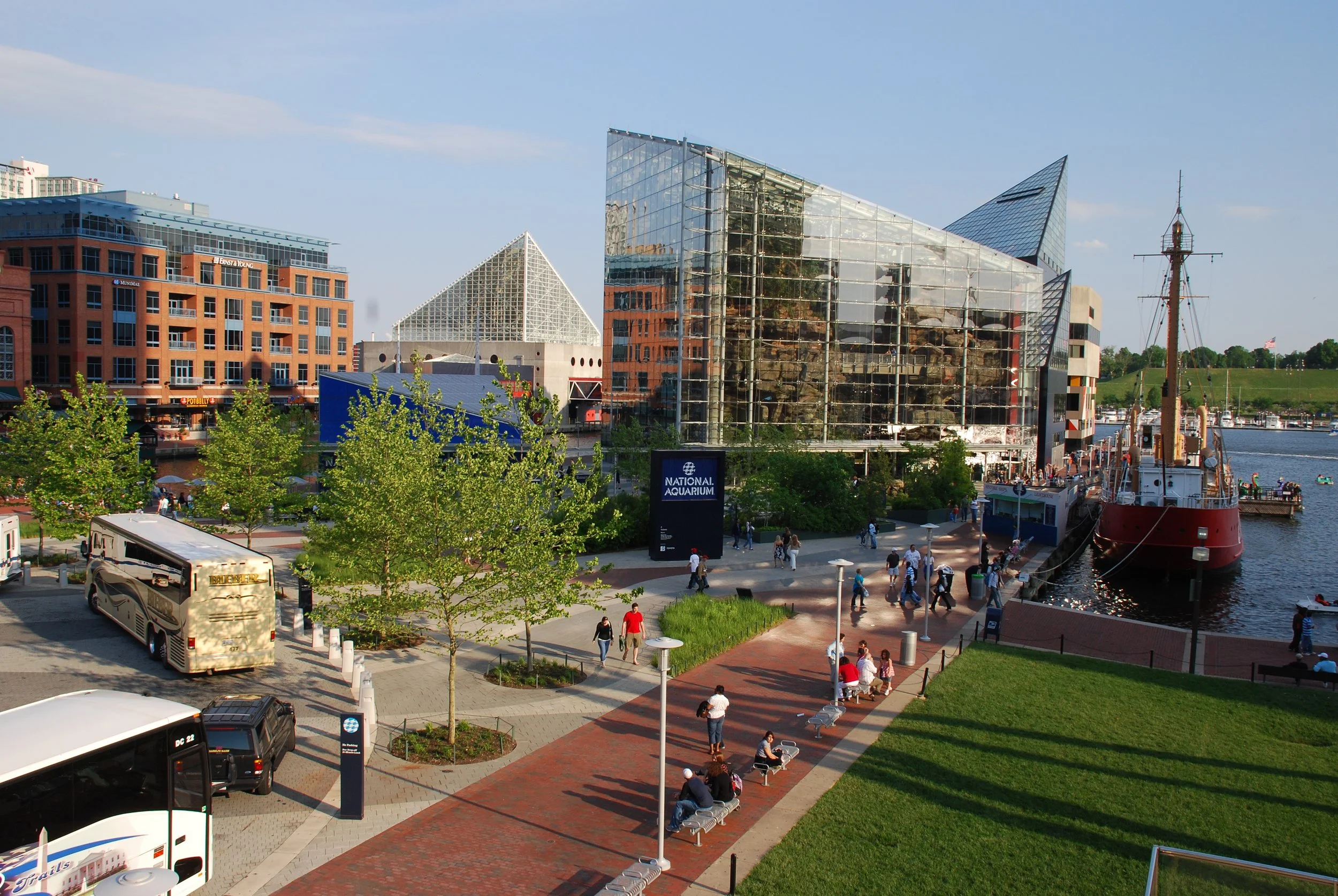
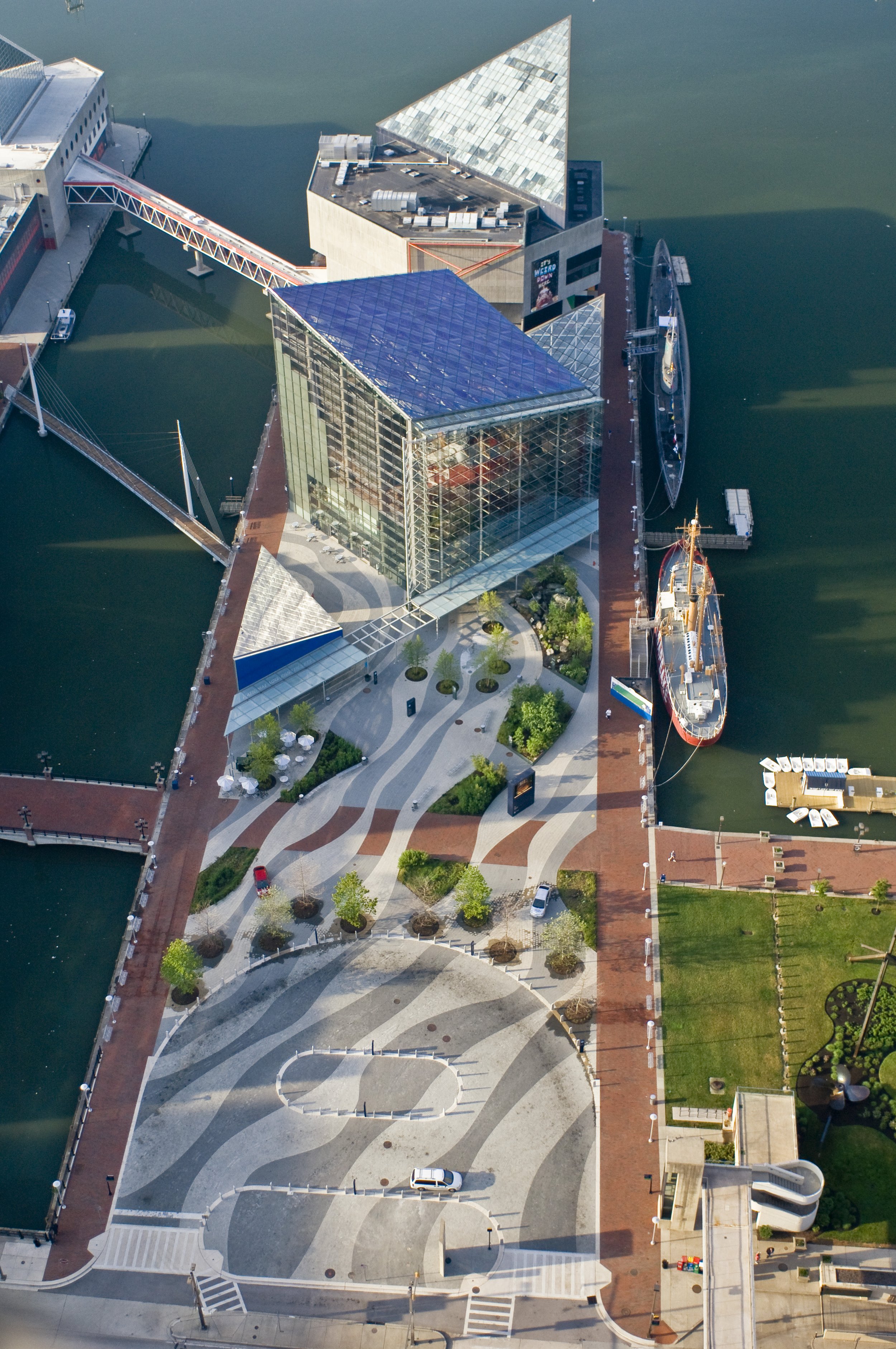
As a landscape architect I had the amazing opportunity to contribute to the design of iconic spaces such as the National Aquarium in Baltimore. My specialties within landscape architecture were specification writing, construction documentation, and contract administration. That set me up on a highly technical path.
This was a hugely rewarding time of life. Right out of college I dove right into managing construction projects, negotiating with contractors, participating in public meetings to shape the future of communities, and traveled the world while designing landscapes for US embassies.
Branch Brook Park Was My Long-Term Project
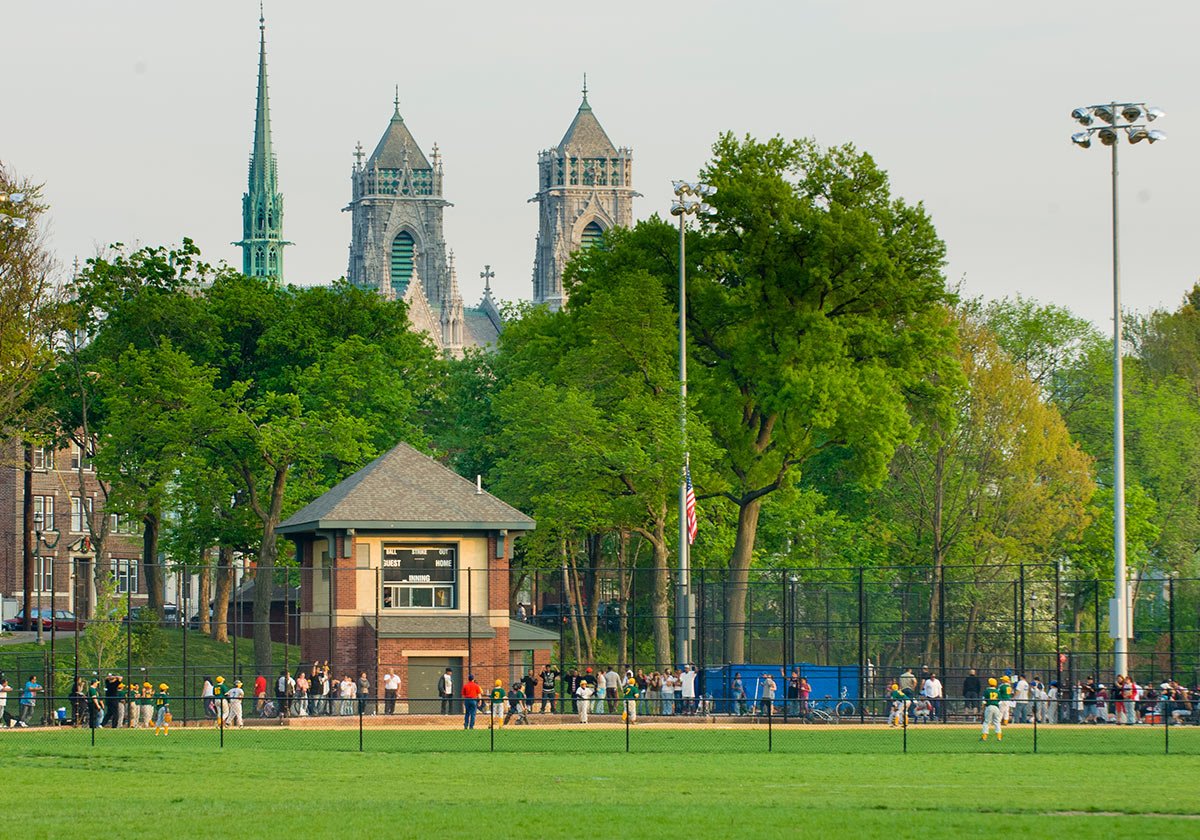
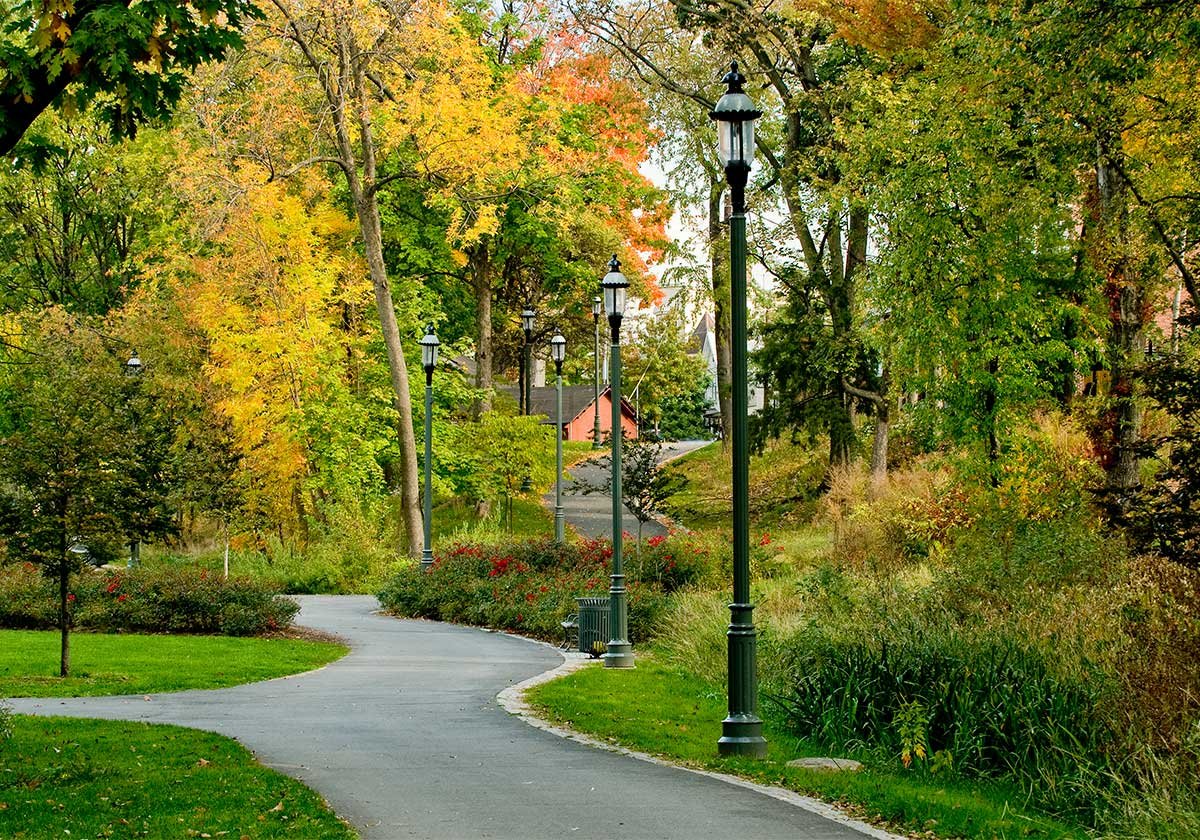
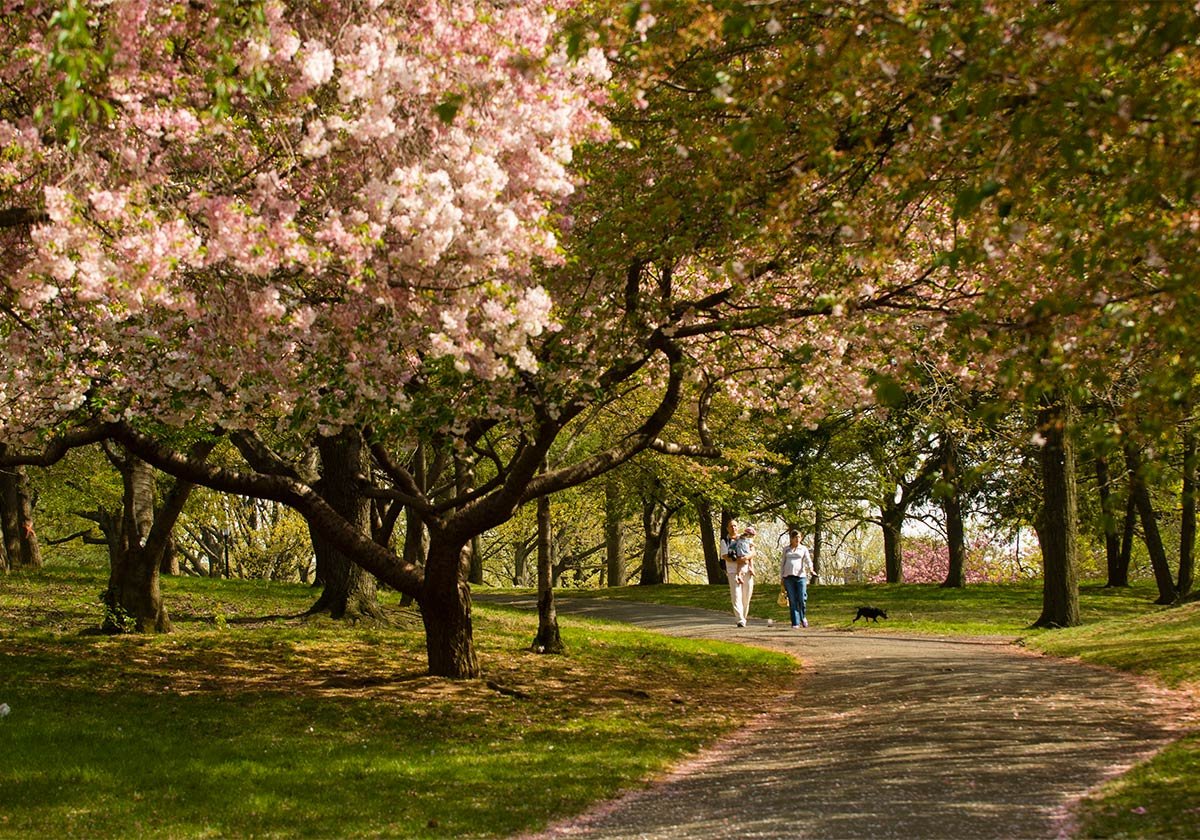
Do you have that one moment, or one experience that you can look back to and think “that is when I grew up”? For me, it was Branch Brook Park, and Essex County park in Newark, New Jersey.
Branch Brook Park, designed the the Olmsted Firm, was on of America’s great parks in the early 20th Century. By the 1960s it started to fall on hard times, concurrent with the Newark Riots and other social and economic upheaval of that region and that era. In 2000, RHI, where I was a project manager, got a contract to envision a rehabilitation of the park - restoring the greatness of the park, while carefully adapting the park to meet current needs. For the next decade I managed multiple phases of work, from design through construction and maintenance, partnering with the County, the community, and non-profit organizations.
I feel like this was my first true “adulting” moment, because I was dealing with large sums of money, sometimes contentious stakeholders, often contentious contractors, aggressive deadlines, byzantine regulatory processes, and at one point a major hazmat remediation. Staying calm under pressure wasn’t an option; it was necessity. I lived it. I loved it. And if you’ve ever spent a decade working on something truly worthwhile, you can appreciate the lifelong pride I have in my contributions to this historic park.
I almost forgot to mention, Branch Brook Park has the largest flowing cherry tree collection in North America. Larger (and I think nicer) than the collection in Washington, DC.
Green Roofs
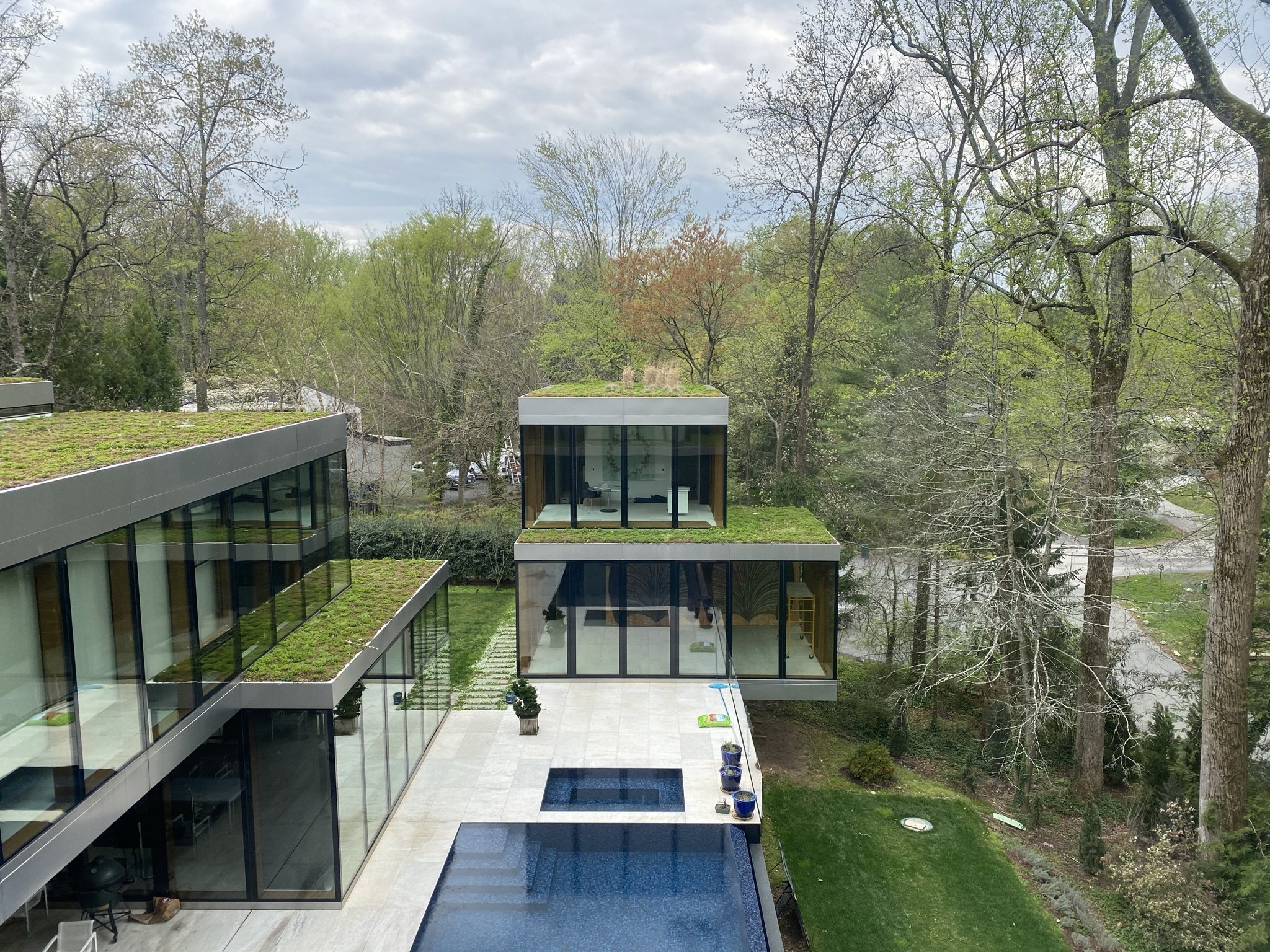
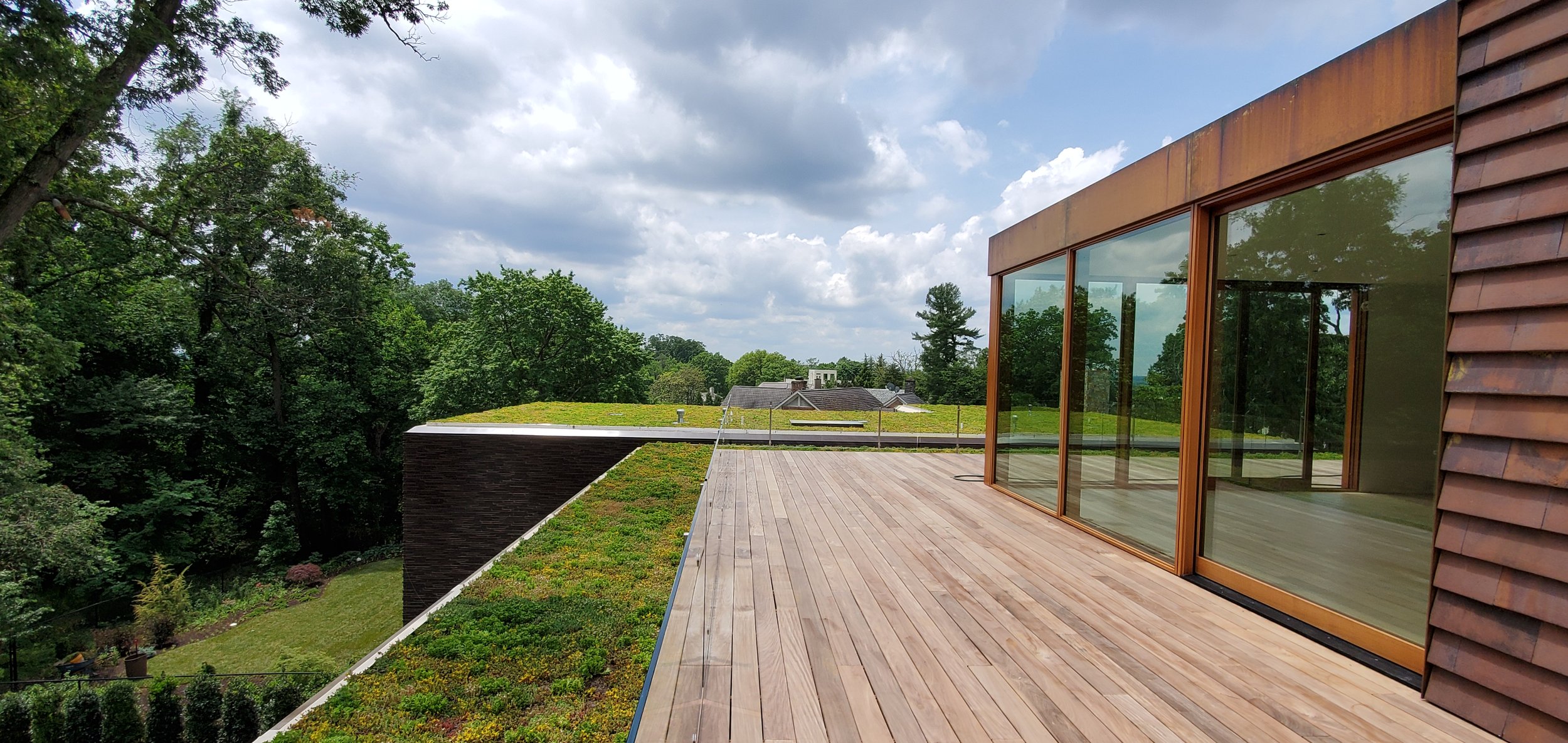
I first discovered green roofs in the early 2000s, and immediately volunteered to be the firm’s in-house green roof guy. Ultimately I left traditional landscape architecture to become a green roof specialist, and dare I say “expert”. There were a few aspects of green roofs that appealed to me. The technology was still nascent in North America, and this was an opportunity to get in on the ground floor. The technology offered quantifiable environmental benefits (stormwater, urban cooling, urban habitat, etc.), and my technical background led me into more of a scientific venture.
Over the course of twelve years I worked at two green roof companies, and in both capacities my primary role was researching the technology, developing higher-performing products, obtaining regulatory approval for those products, releasing the products into the market, and training sales people on the features and benefits of those products.
Before the first product, EcoCline, green roofs were generally regarded as somewhat meager stormwater retention tools, holding a maximum of approximately 1 inch of rainwater per 4 inches of thickness. That’s not a stellar value proposition for most architects and engineers. EcoCline shifted the Overton window such that green roofs - in the US and worldwide - were expected to retain approximately twice as much stormwater as traditionally viewed feasible.
Before the second product, Purple-Roof, green roofs were regarded strictly as stormwater retention tools, with no contribution to the often more valuable stormwater detention. Before Purple-Roof, “detention” wasn’t even a word commonly used in green infrastructure circles. After Purple-Roof, “detention” was the word everyone wanted to use, and that many products feebly attempted to incorporate into their product lineup. Purple-Roof is phenomenal, as it transforms the hydrologic regime of an urban rooftop to that more similar to a mature hardwood forest. Seriously!
Launching two game-changing green roof products within one decade made me so proud. Of course, I worked with a team of amazing and talented people. In both cases, we were hoping to grow the entire industry. But once COVID hit, and the economic engine of green roofs (new commercial and multi-family residential) stalled, it was time to move on. But what an amazing ride!
Green Infrastructure Monitoring & Commercial Construction
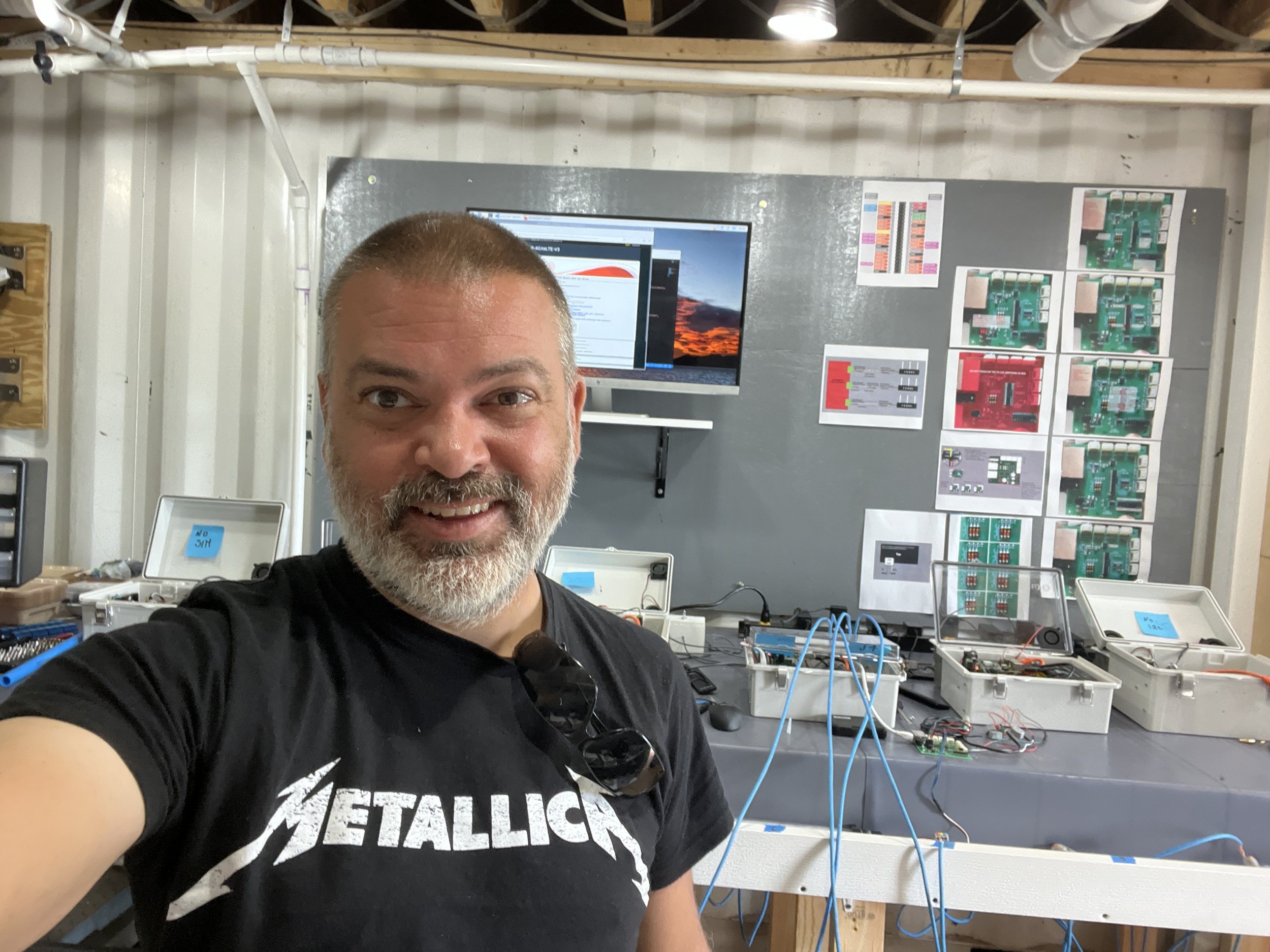
Research and product development for green roofs required a lot of environmental monitoring, data collection, and testing. We started building our own systems to do this. I led a team that included hydrologists, software engineers, and hardware engineers to build our own computers, circuit boards, and write our own monitoring software.
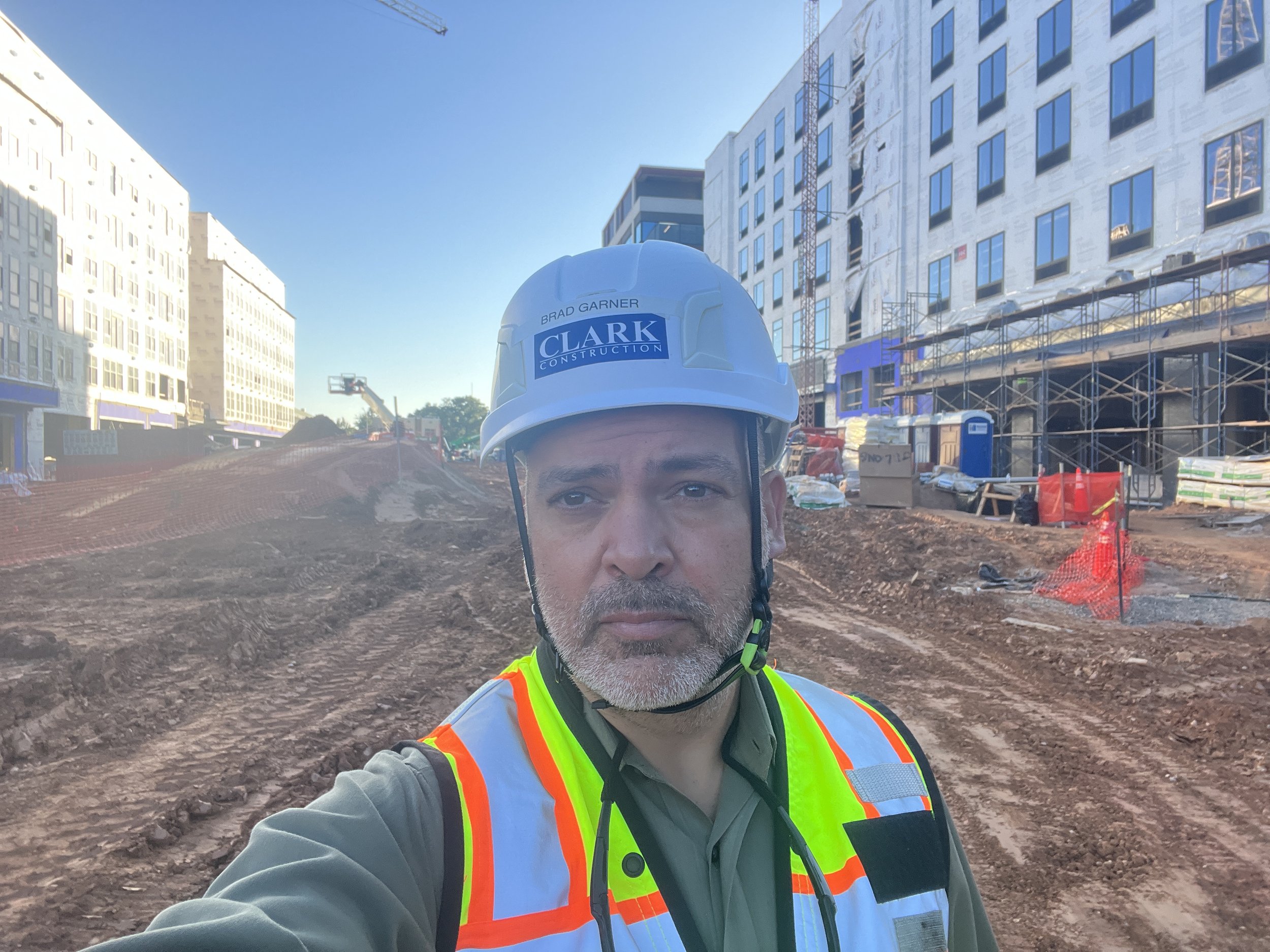
Immediately after leaving green roofs, I worked for a brief stint as a project manager at a major general construction company. I had already decided that I wanted to be in either real estate or construction, and I temporarily chose construction. But this gave me a great opportunity to manage a four-city-block development in Falls Church, Virginia, and to hone my contractor negotiation and dispute resolution skills.
Of Course, I Renovated My House
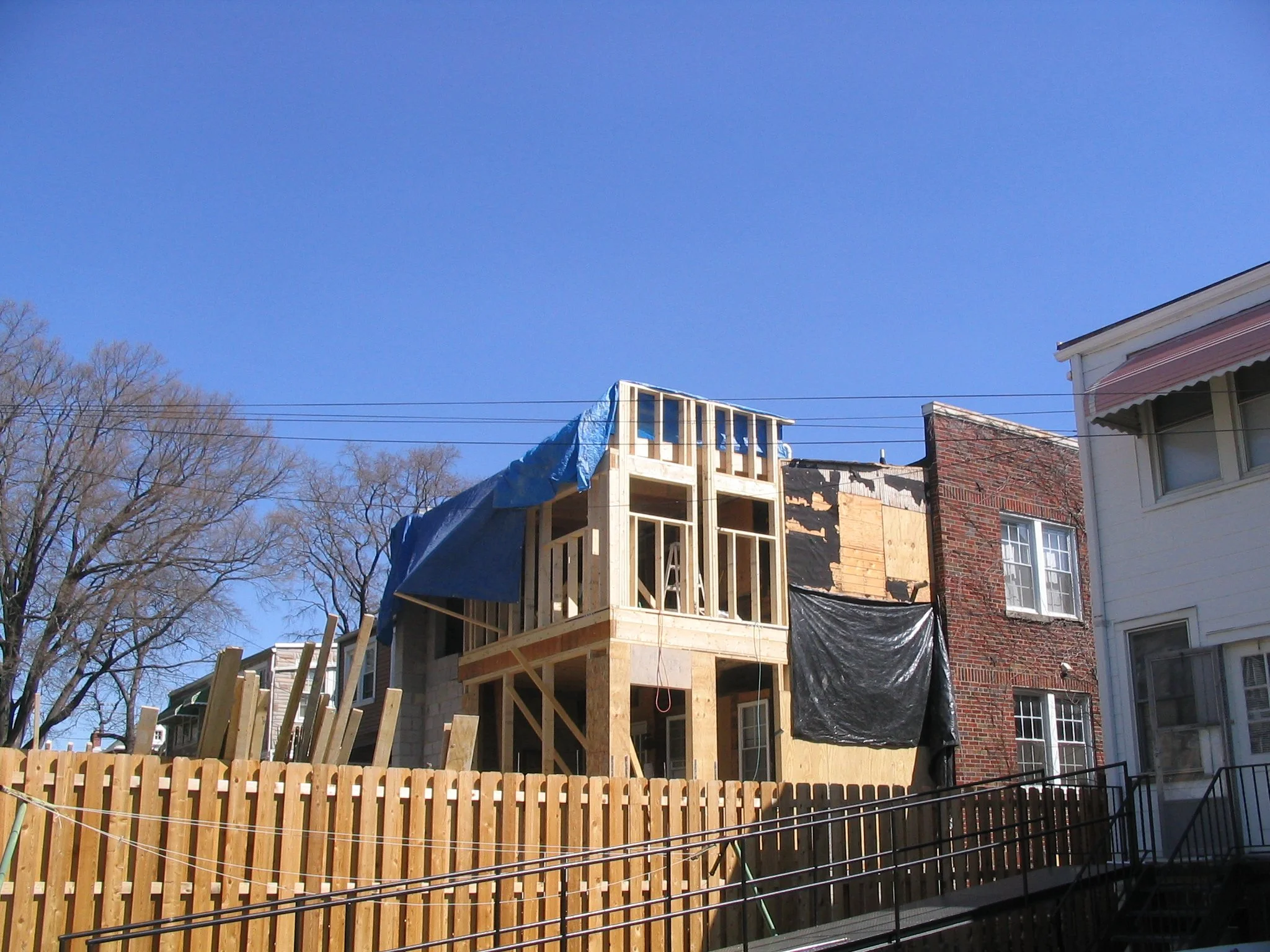
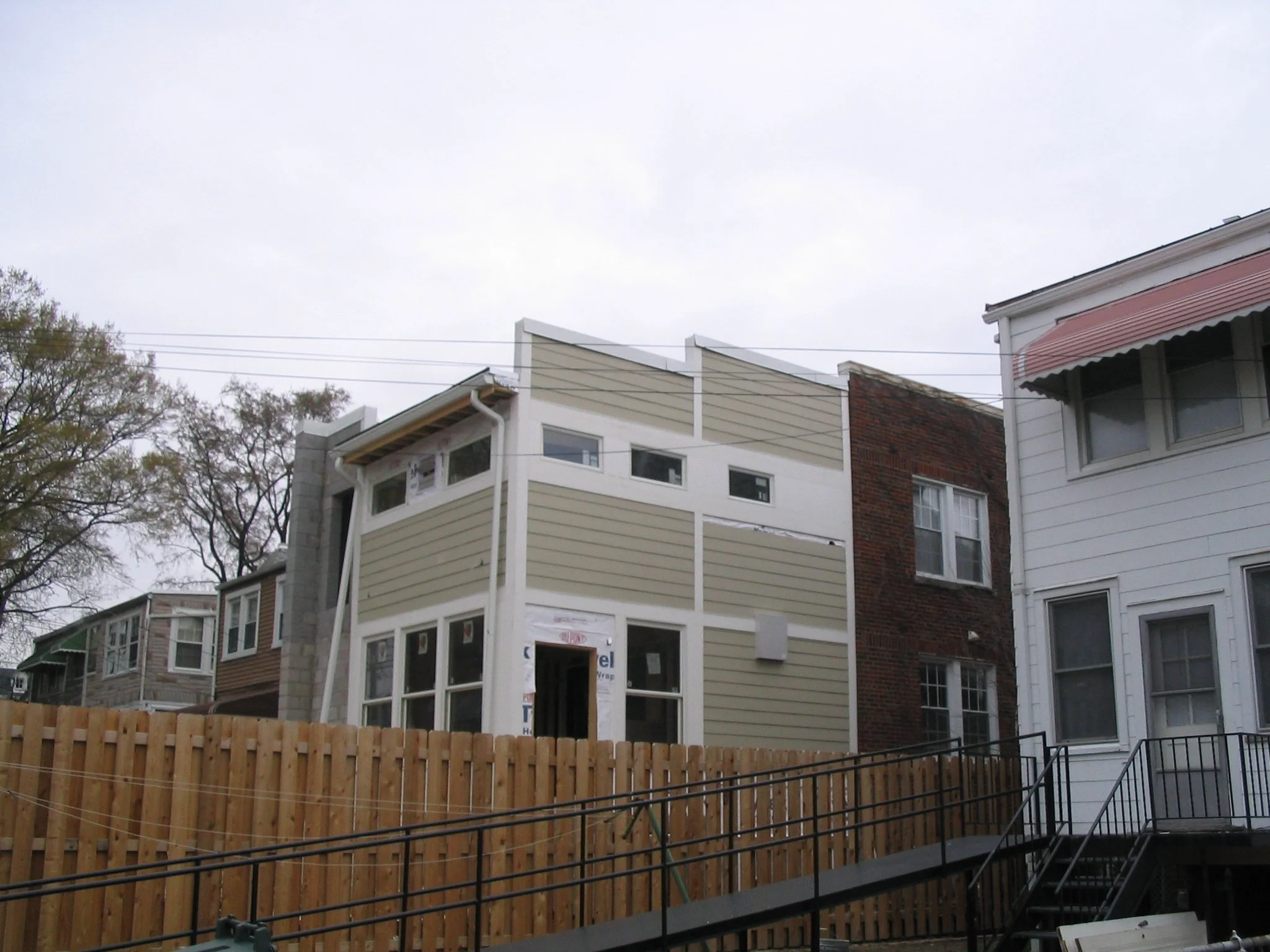
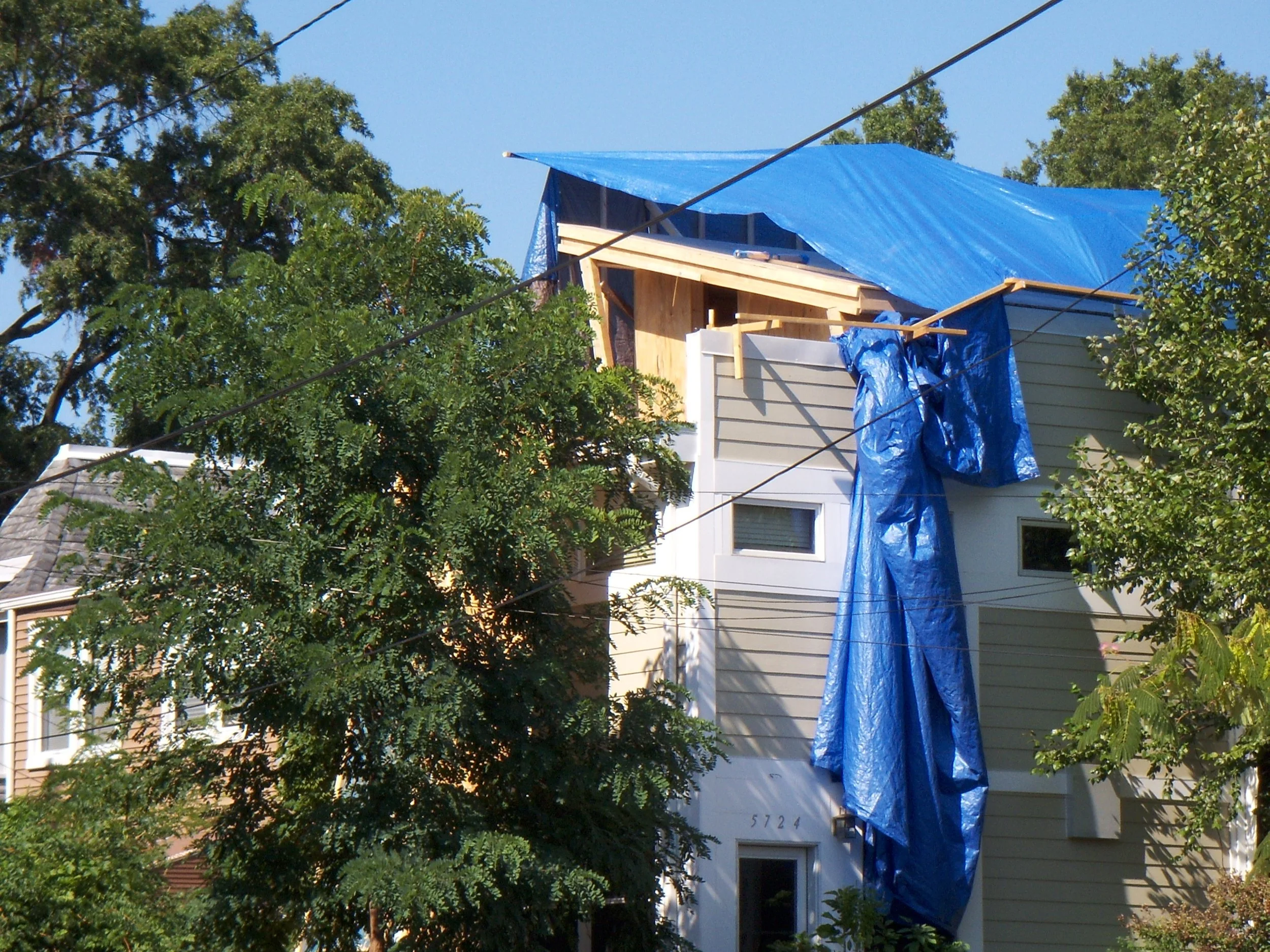
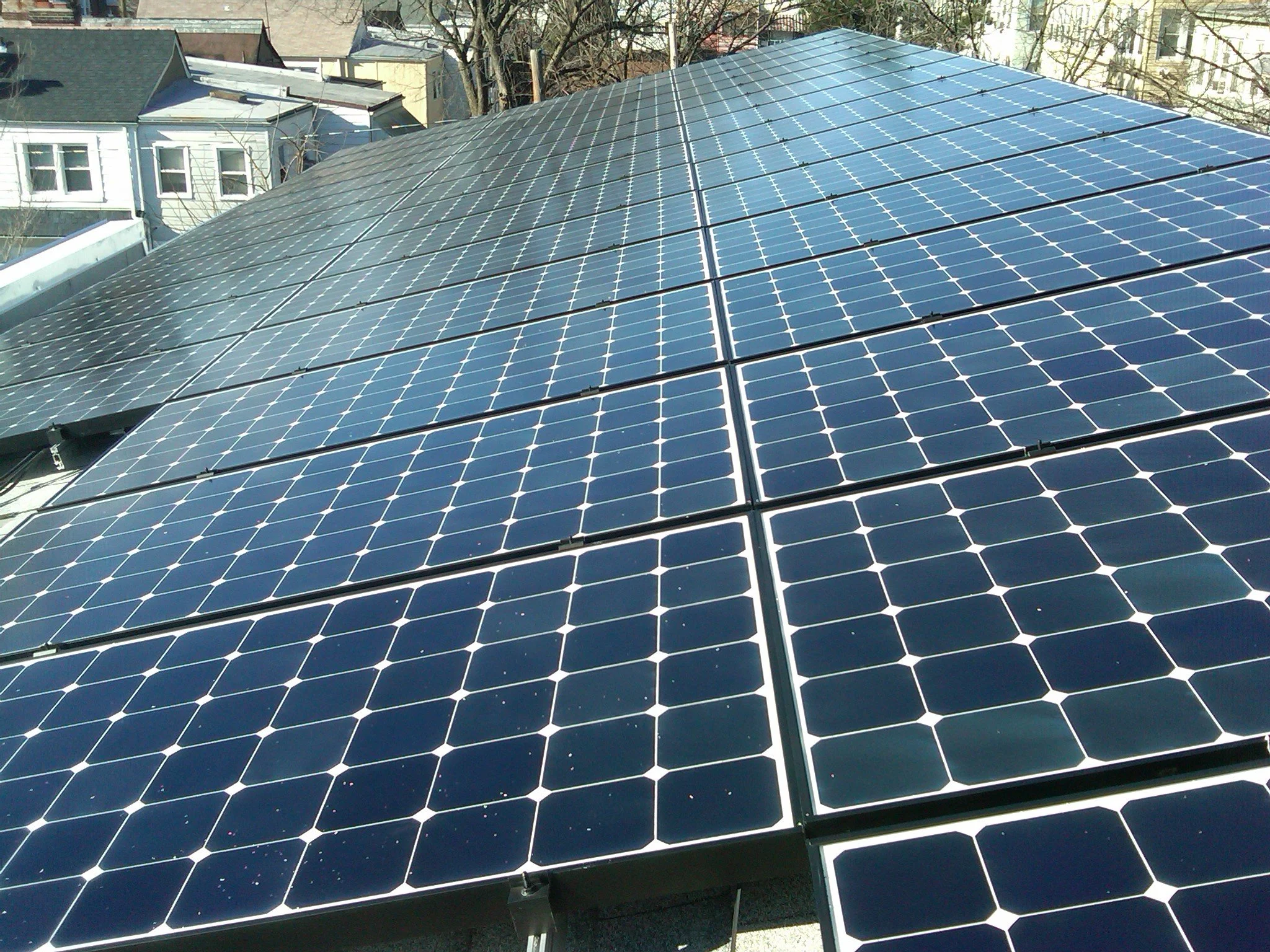
In Washington, DC, we lived in a 1930s semi-detached house, which I proceeded to add onto… twice! The first two photos show adding onto the back of the house, basement plus two stories. The other two photos show adding onto the roof of the house, which gave us a walk-in attic and a roof sloped perfectly for solar panels that covered most of our electric bill. In both instances, I was general contractor, handled all permits, and did a lot of the work myself. In fact, for the roof addition, I did nearly all the work myself. Living under a tent for a month was an adventure with only one major mishap that makes for a fun story at get-togethers now.
I learned so many valuable real estate lessons through these projects. Not lessons through reading, not through hearing stories from others, not even stories from having worked with clients. Stories that affected me, our use of the home, our resale value, and our finances. Some things turned out great. Some things didn’t. I now have a passion to learn everything about how these projects could have gone optimally and to apply that to my business to help my clients achieve greater success.
Some Prettier Home Renovation Photos
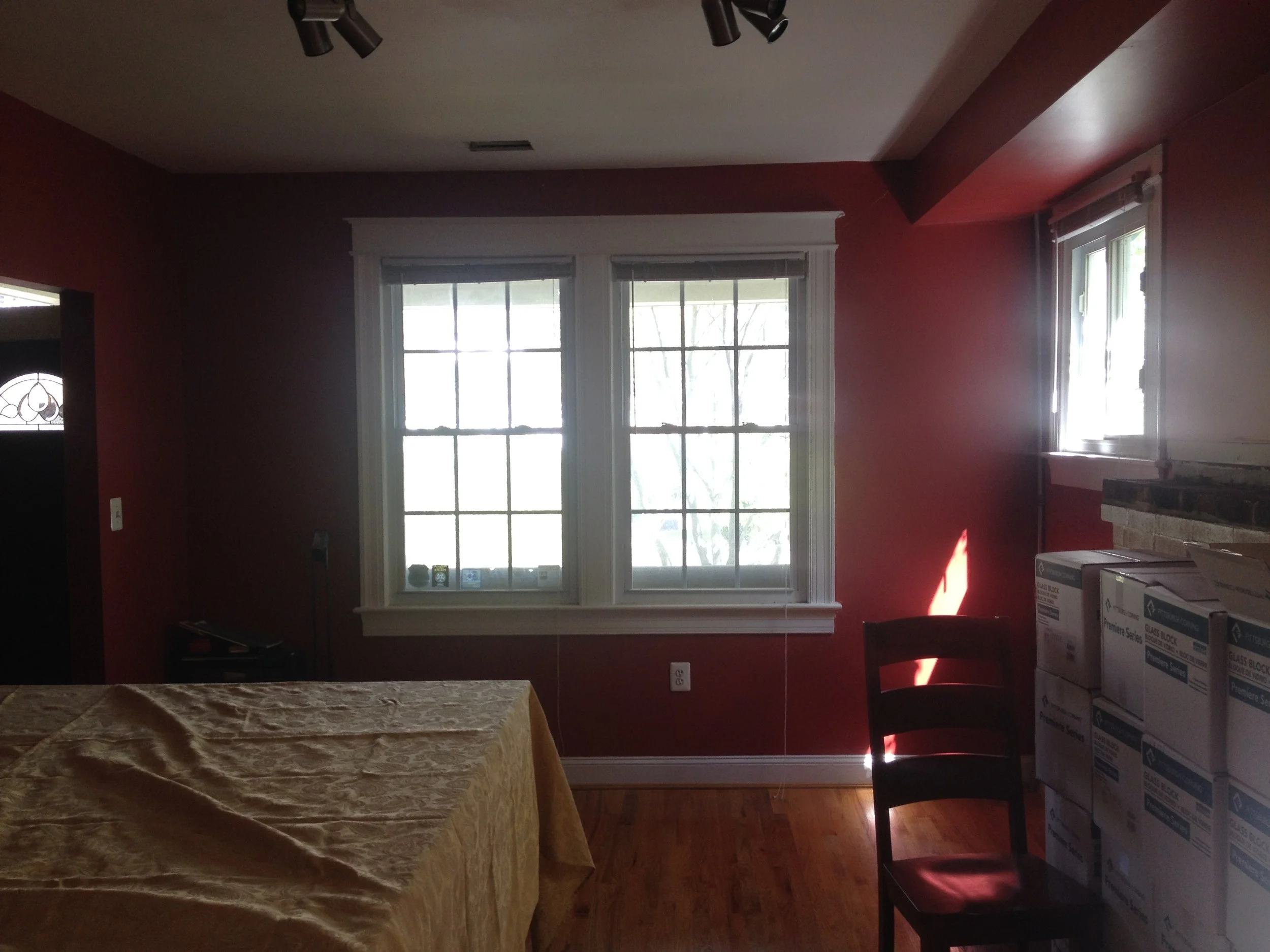
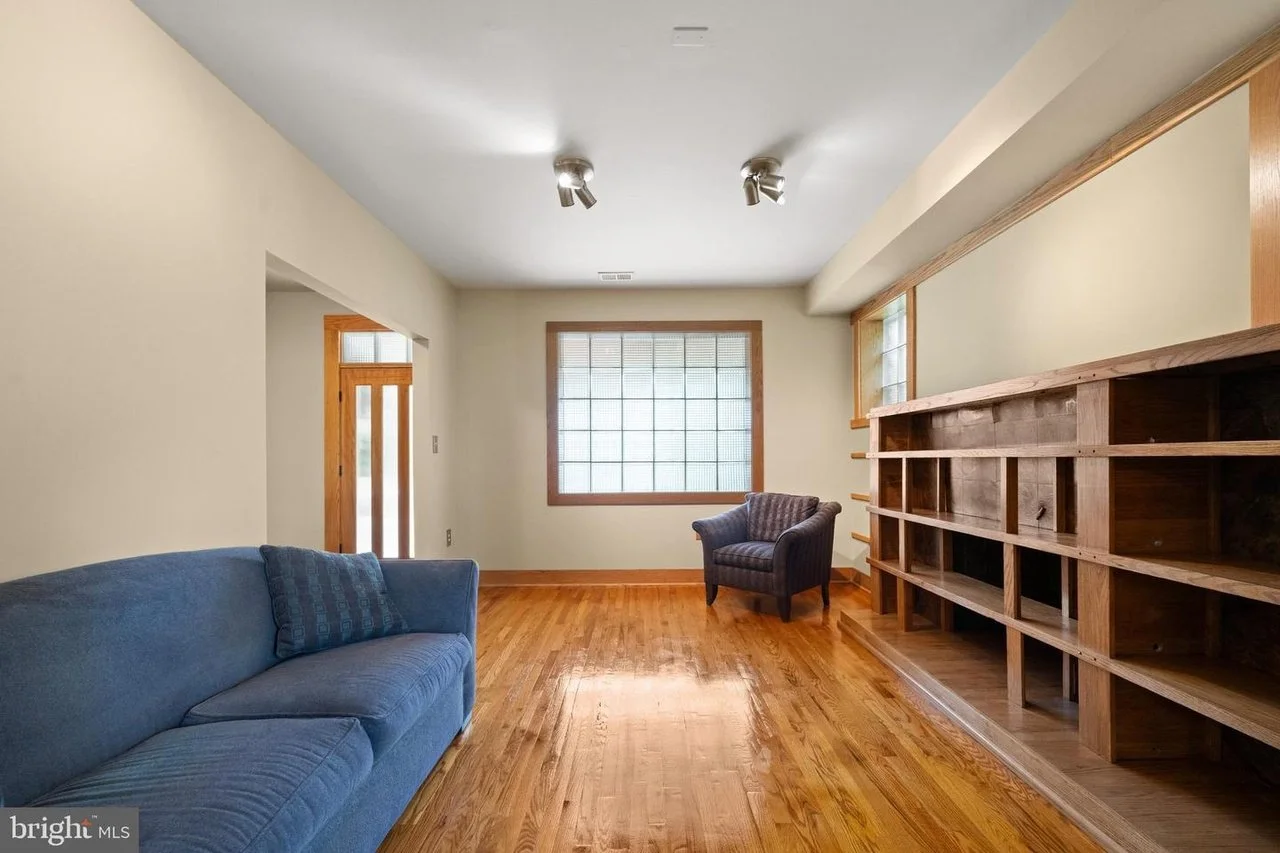
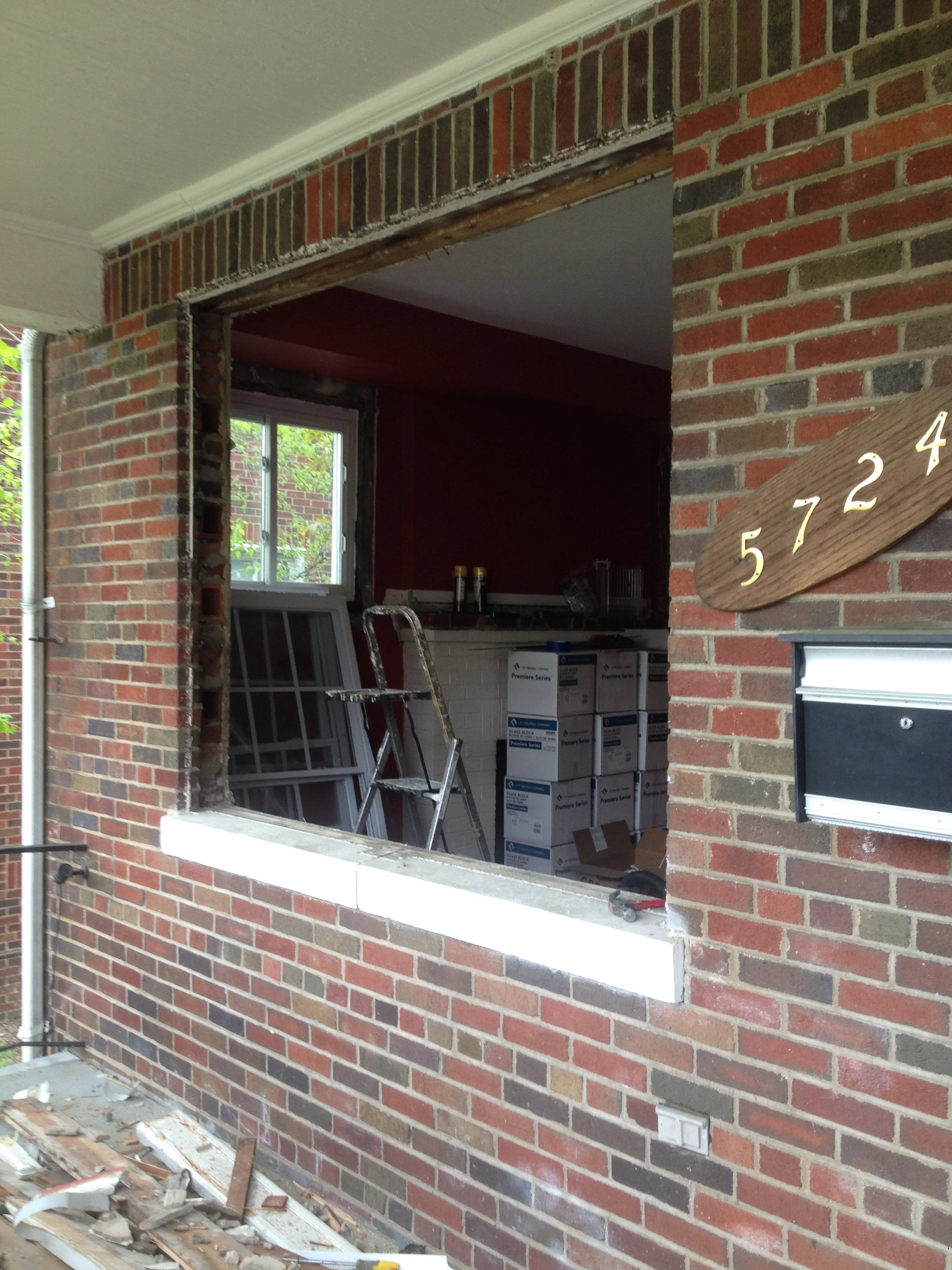
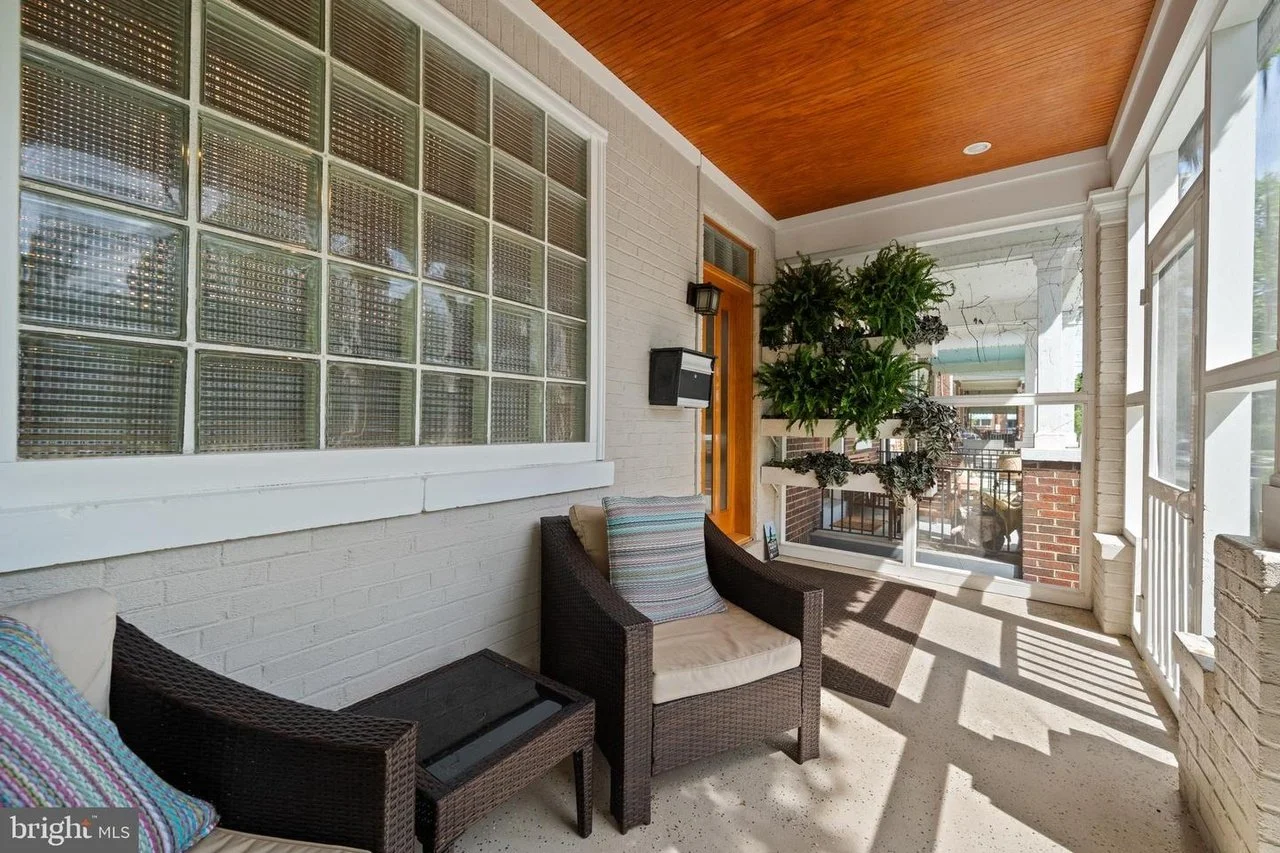
Not only did I add onto our home in DC twice, I renovated the entire house. The front window was one of my favorite projects. In these four photos you can see the original windows (poor condition historic wood frame with cheap vinyl replacement windows), the final product with a glass block window and complete mission-style trimwork, including front door, the empty window after demolition, and the finished product of the front porch after rebuilt, screening, and painting.
Glass block was a great choice for us, though a questionable choice if the primary goal is resale value. I installed single-lite casement windows through the remainder of the house, and continued the mission-style theme through every room. We enjoyed this for many years, and these improvements helped attract the buyers who ultimately bought the home from us.
Of Course, I Built My House!
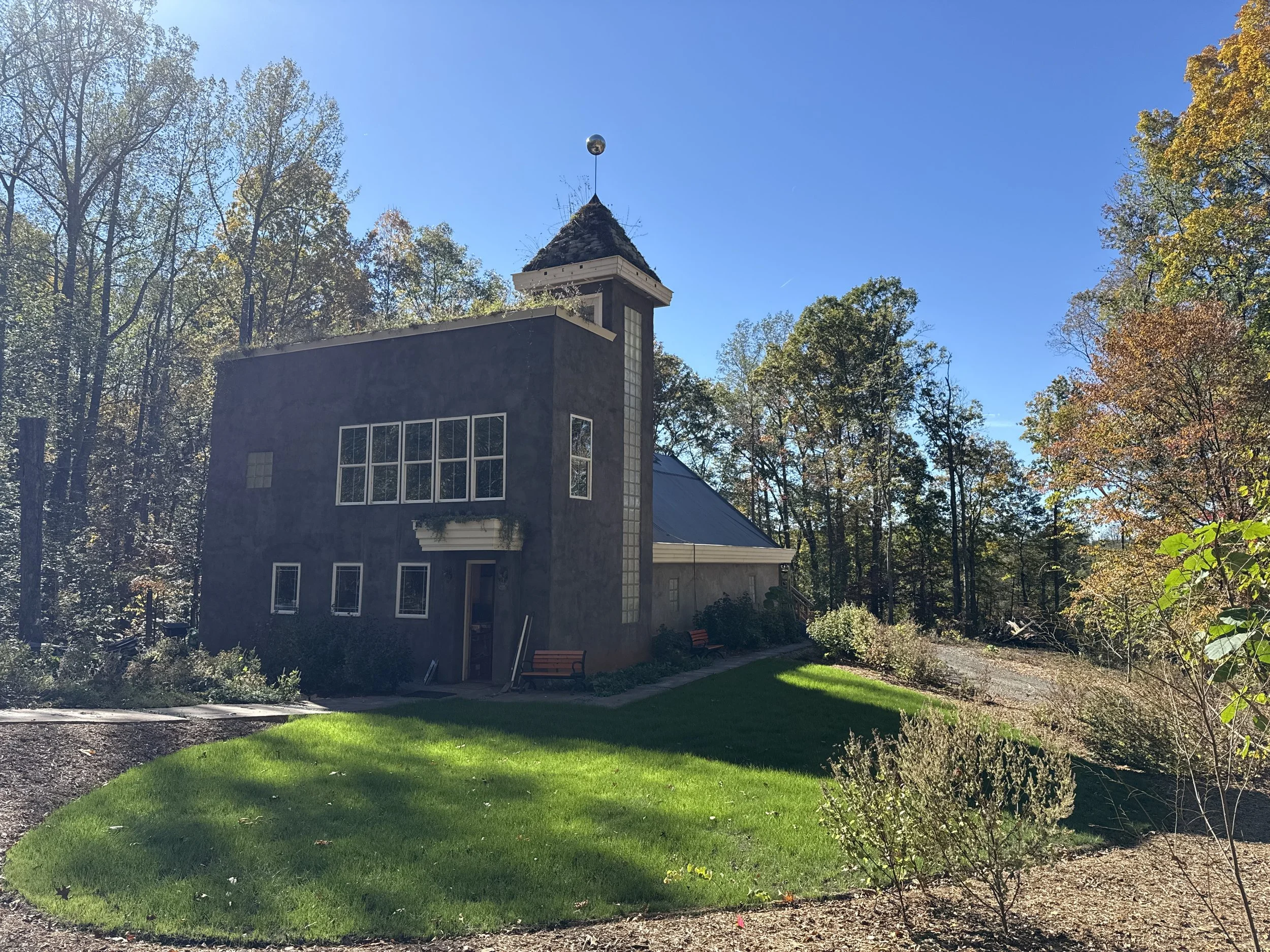
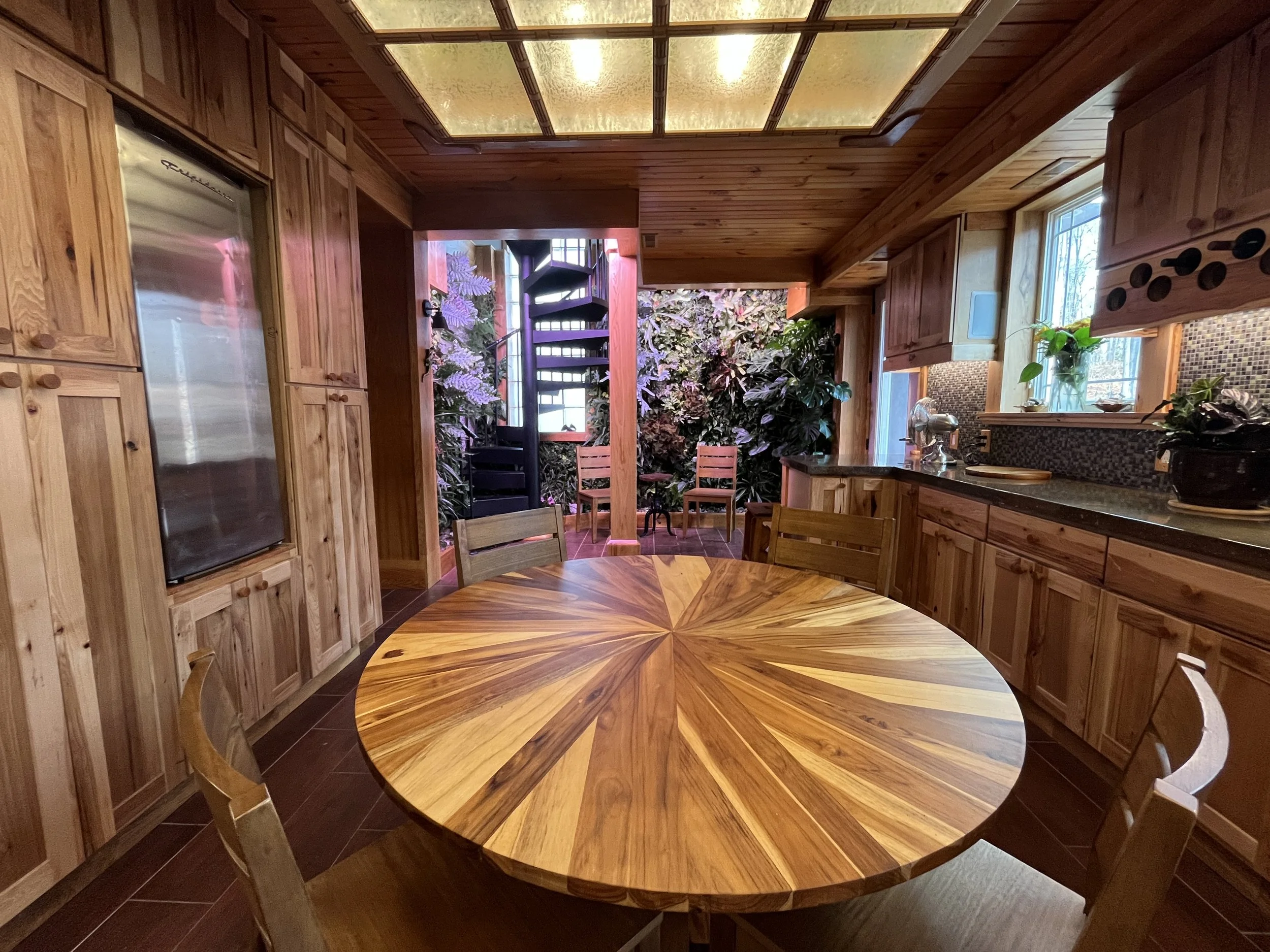
After nearly 30 years in Washington, DC, I built our custom dream home in Brandy Station, Virginia, and we moved to the beautiful Virginia Piedmont! Once again, this adventure was full of valuable real estate lessons that I apply in my practice. Check out the video. It’s long, but everyone tells me its their favorite of my videos.
Real Estate!
With a background in design, construction, and technology, I now apply so much of my life experience to the field of real estate. I’m on a mission to get my clients the most out of their real estate investment. This includes the process and experience of buying or selling a home, plus watching out for my clients’ bottom line. Before I was a realtor, I made a lot of mistakes in managing my own real estate investments, but the only bad mistakes are the ones we don’t learn from! And now you can benefit from those same lessons learned. I couldn’t be prouder to be a member of the Gillies Team, as this allows me to tap into vast resources to make my own practice so much more powerful.